

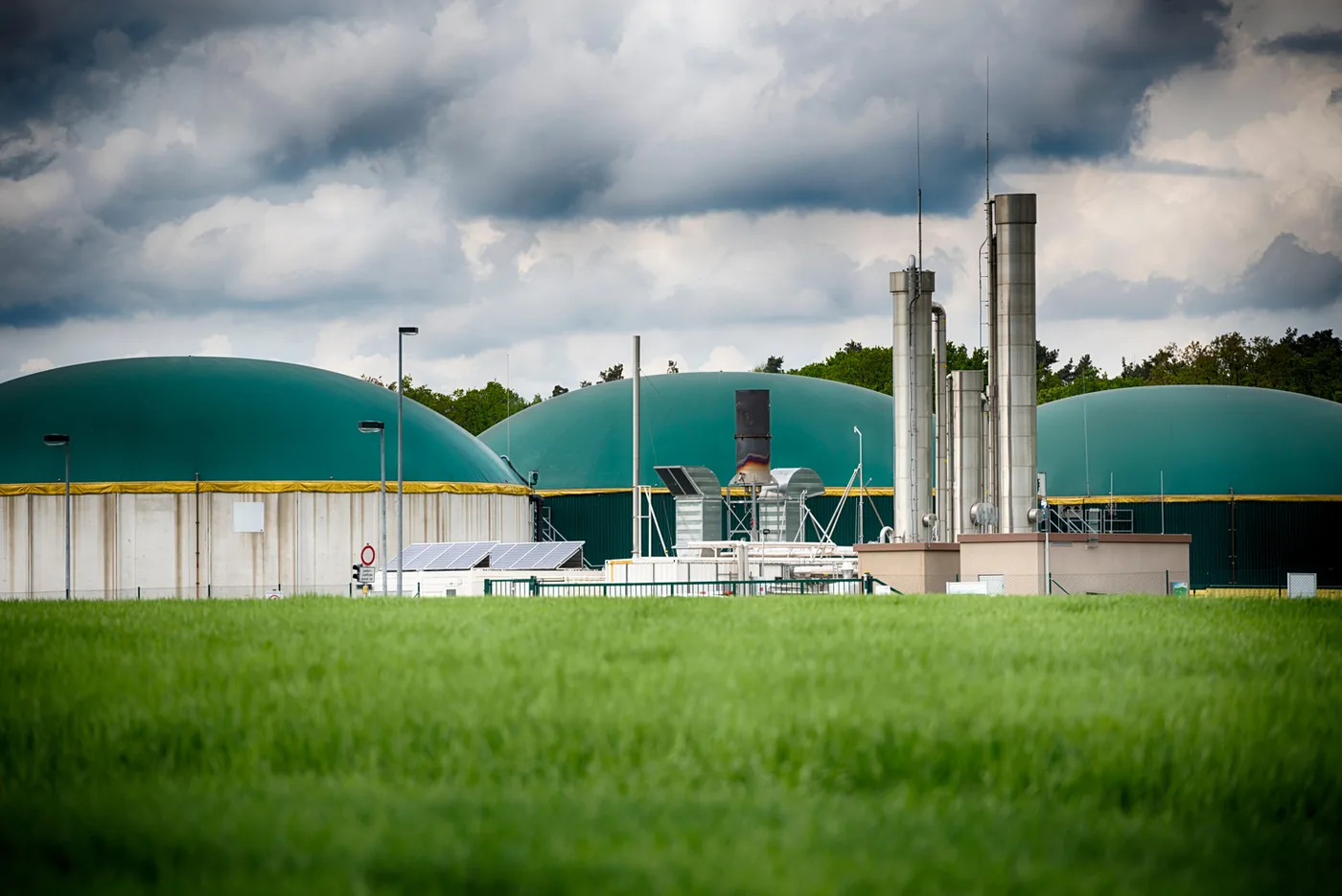
A landmark decision was taken by the Union Cabinet on 6 August 2026 to allocate a budgetary outlay of ₹23,731 crore to promote the National Circular Bioenergy Scheme. This would extend over a period of ten years from FY 2026-27 to FY 2035-36 and aim to produce nearly ten times the current output of compressed biogas in India.
The scheme was originally launched in 2018 under the GOBARdhan mission with the Swachh Bharat Mission (Grameen) to produce biogas from cattle dung and crop residue at a modest level. However, the new initiative encompasses four different schemes relating to manure, machinery, pipelines and bioenergy that have been subsumed under the Ministry of Petroleum and Natural Gas. The shift reflects the significance of the changes being made.
What the Subsidy Actually Offers
Greenfield CBG projects can now seek up to ₹2 crore per tonne per day (TPD) of installed capacity in capital assistance. The Office Memorandum released by the Ministry breaks this down into a base of ₹1.25 crore per TPD plus an additional ₹0.75 crore per TPD as an enhancement. This would provide a ceiling of nearly ₹20 crore for a 10 TPD facility, before taking into account any feedstock aggregation or manure-processor support. Brownfield projects will benefit from the same norms as greenfield projects despite a majority of current CBG capacity being of the latter variety.
That said, "up to ₹2 crore per TPD" should be taken as a ceiling rather than a confirmed disbursement, as eligibility screening and appraisal will decide the actual level of subsidy. Some details are still being finalised by the government. Our advice to clients at Bharat Bioenergy has not changed with the increase in the headline figure: build financial models on realistic figures of feedstock and capacity availability, and view the subsidy as a bonus rather than a given.
The Various Components of the Scheme Deserve Attention
| Component | What Changed |
|---|---|
| CBG pricing | Administered at ₹2,110 per MMBTU, fixed for a minimum of 10 years |
| Offtake certainty | City Gas Distribution entities must meet a rising CBG obligation, from 3% now to 5% by FY 2028-29 |
| MSME finance | Credit guarantees of up to 85% for smaller developers |
| District-level infrastructure | A new Ecosystem Challenge Fund to strengthen feedstock collection networks |
| Grid connectivity | Dedicated funding for pipeline links between plants and the wider gas network |
These address the three biggest bottlenecks for CBG projects: ensuring offtake, stabilising pricing, and providing credit guarantees to smaller developers. The assurance of offtake from CGD entities in particular removes one of the biggest risks for a new plant: a technically viable facility being rendered worthless due to lack of buyers.
Registration Comes Before Anything Else
Whether building a household-scale digester or a commercial CBG Plant Solution, no financial support under the GOBARdhan scheme can be accessed without registration. The CBG developers register on the dedicated portal at gobardhan.eil.co.in (distinct from gobardhan.sbm.gov.in, which is for smaller community biogas plants). The registration number generated this way will be used subsequently to make claims under the various components of the scheme.
Registration itself is an initial step that establishes intent and provides a reference number. It is followed by an appraisal, which involves submitting a complete set of documents, including entity records, land documents, feedstock arrangement, a detailed project report, pollution-control clearances and a financing plan. At Bharat Bioenergy, we work with clients to prepare these well in advance of the submission deadline as it is common for proposals to be rejected during the appraisal stage.
Who the Scheme Is Built For
Eligibility for the scheme is not limited to large-scale industrial players, but extends to households, gram panchayats, cooperatives, gaushalas, dairy operators, MSMEs and private companies. Each of these has different entitlements depending on the size and type of the plant, but the eligibility extends across a broad swathe of potential CBG developers.
In fact, for commercial CBG projects, this should be viewed in conjunction with other factors that determine the viability of a project: the availability of reliable feedstock at a reasonable price, digestion and gas-upgradation technology that has been proven, capacity that is sized realistically according to the available waste, and a credible offtake plan. A multi-feed biogas plant that can process a variety of substrates offers advantages in this regard by ensuring continuous production despite seasonal variations in the availability of any one feedstock.
What This Means for Project Planning Today
The subsidy ceiling and pricing structure have been confirmed through the Cabinet approval and subsequent Office Memorandum. There are some implementation details that have yet to be notified, and it is typical for this sort of large-scale initiative to take some time before projects can begin. It is worth keeping an eye on further announcements from the Ministry of Petroleum and Natural Gas rather than basing a proposal solely on the headline figures.
One item that may be of interest to those reviewing the official documentation: the component-wise figures add up to slightly less than the ₹23,731 crore figure as one component does not have a listed allocation. There is likely to be a clarification shortly, but it is advisable to refer to the most recent official documents rather than early summaries when finalising a proposal.
For those currently operating or planning a CBG facility, the next steps are to register on the GOBARdhan CBG portal and begin collecting the documentation that an appraisal will require, using realistic rather than maximum figures for capacity entitlement. It is also possible to work with Bharat Bioenergy to convert the residual digestate from a CBG plant into organic fertilizer, providing a second revenue stream that will enhance the financial viability of the project.
Frequently Asked Questions
Popular Posts
-
What is Compressed Biogas (CBG)?
01 Aug 2026

Leave a Comment